Spacious Chicken Run With Shade Cover
Highlighted under: Hearty Kitchen
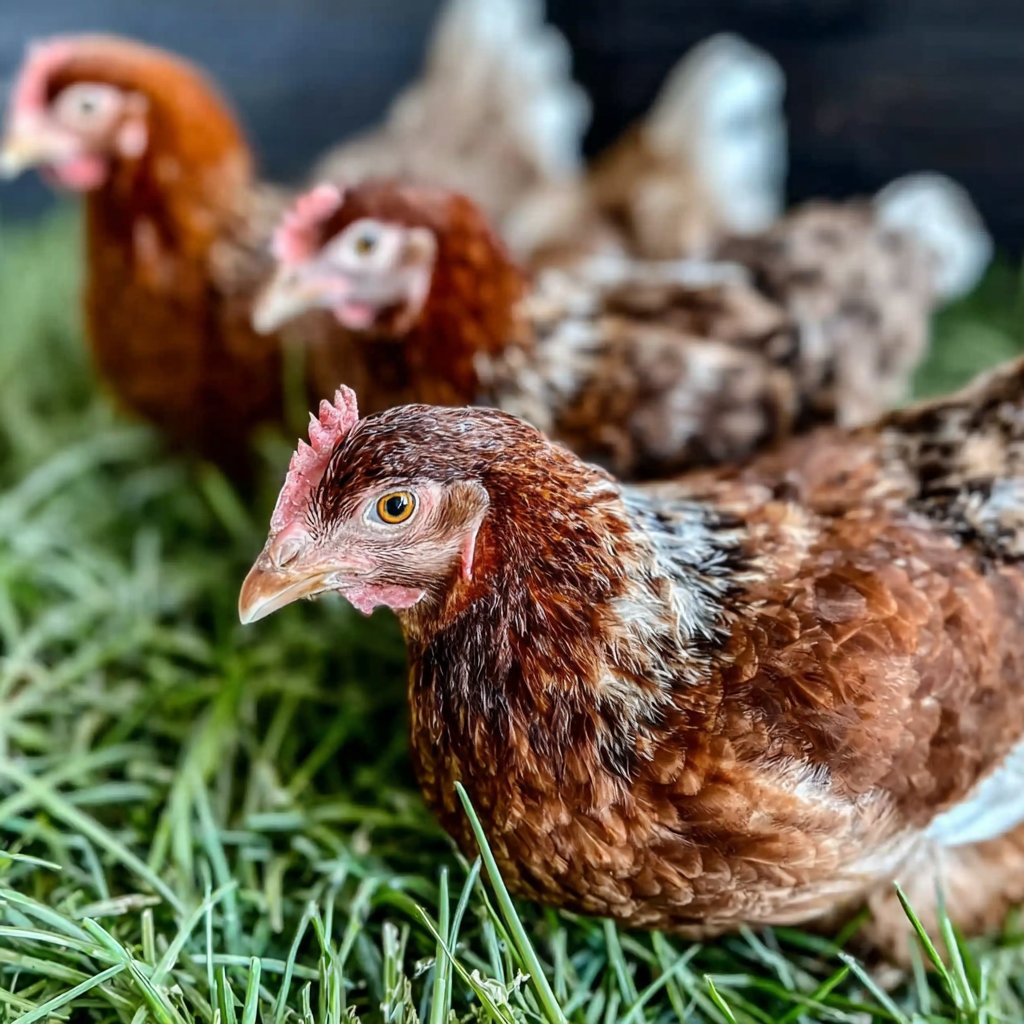
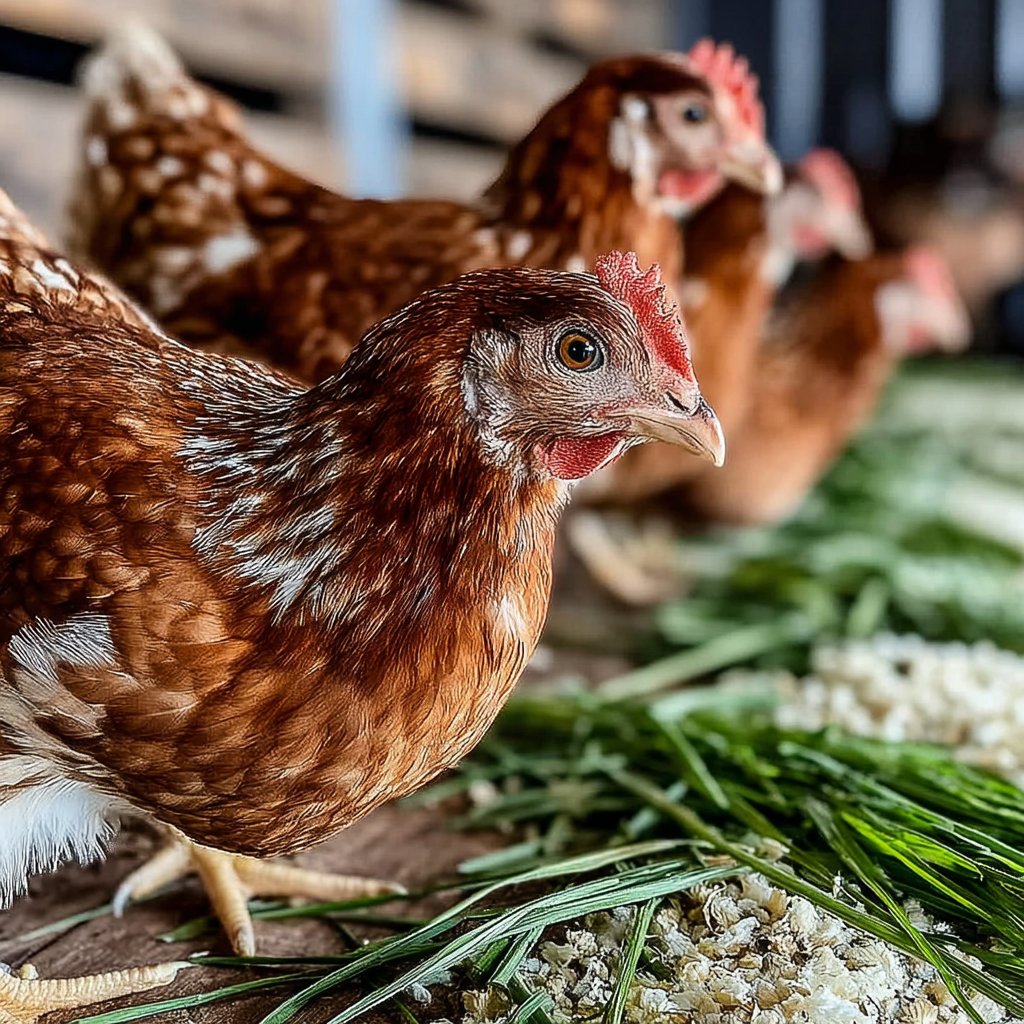
I absolutely love creating cozy spaces for my chickens, and building a spacious chicken run with shade cover has been one of my favorite projects. Not only does it provide ample room for my feathered friends to roam, but the shade ensures they stay cool and comfortable during hot days. I've experimented with different layouts and materials, and I've learned that getting the right balance of space and shelter makes all the difference in keeping my chickens happy and healthy.
When I first built my chicken run, I didn't realize how important shade would be for my chickens. After watching them squawk and pant on hot summer days, I knew I needed to provide them with a nice shaded area to retreat to. Using a combination of tarps and natural shade from trees, I created a versatile cover that allows sunlight in while offering protection from the harshest rays.
The first summer after completing the run was a revelation! My chickens were far more active and lively. They loved having room to roam, and the added shade helped them feel secure and content. I also made sure to include areas where they could dig and forage—this not only keeps them entertained but also mimics their natural behavior.
Why You'll Love This Chicken Run
- Ample space for your chickens to roam freely
- Easy to build with affordable materials
- Provides necessary shade during hot weather
- Encourages natural behaviors in your flock
Choosing the Right Location
Selecting the ideal spot for your chicken run is crucial. Look for a location that offers a balance of sunlight and shade throughout the day. Ideally, the run should be positioned where trees or buildings can act as natural barriers against strong winds while providing some shadow during hot afternoons. Additionally, ensure that the ground is well-drained to prevent any flooding issues after rainfall, as chickens thrive in dry conditions.
Once you've identified the location, consider the proximity to your coop. A chicken run should be easily accessible for daily feeding and maintenance. Think about the layout; you may want to create a sheltered entrance that connects directly to your coop, allowing your chickens to transition seamlessly between the two areas.
Materials Matter
Using high-quality materials is essential for building a durable chicken run. Chicken wire is a must for keeping predators at bay, but make sure to choose a gauge thickness that is strong enough to withstand raccoons or other determined animals. A 14-gauge wire is often recommended for optimal strength. Additionally, opt for pressure-treated wooden posts as they resist moisture better and prolong the life of your structure.
For the shade cover, you have several options. While a standard tarp is a cost-effective choice, consider investing in UV-resistant shade cloth for enhanced durability and better protection from the sun. It also provides more ventilation and can prevent overheating, ensuring your chickens remain comfortable during the warm months.
Materials Needed:
Materials
- Chicken wire
- Wooden posts
- Tarp or shade cloth
- Hinges and latches
- Concrete blocks or gravel for flooring
Tools Needed:
Instructions:
Plan the Layout
Start by determining the location and dimensions of your chicken run. Make sure to include shaded areas in your plan to protect your chickens from the sun.
Gather Materials
Collect all the necessary materials and tools before you begin. This will make the building process smoother and more efficient.
Build the Frame
Use wooden posts to create the frame of your chicken run. Ensure it's sturdy enough to withstand any weather conditions.
Install Chicken Wire
Attach chicken wire securely to the frame, making sure it is high enough to keep predators out.
Add Flooring
Lay down concrete blocks or gravel for flooring. This will help drain water and keep the area dry.
Install Shade Cover
Finally, attach your tarp or shade cloth to create shaded areas within the run. Ensure it is taut to withstand wind.
Final Touches:
Pro Tips
- Consider including a small nesting area within the run to encourage natural laying behavior. Regularly check the structure for any needed repairs and keep the area clean to prevent disease.
Maintaining Your Chicken Run
Regular upkeep is key to maintaining a healthy chicken run. Remove debris and droppings frequently to prevent the buildup of bacteria and parasites. A weekly cleaning can greatly enhance the living conditions for your chickens. Additionally, check for any tears in the chicken wire or loose posts—repair these immediately to keep your flock safe from potential predators.
If you notice muddy areas forming in your run, adding more gravel or adjusting the drainage can help. Consider rotating your chickens to different parts of the run if possible, allowing each area to recover and reducing the risk of soil depletion over time.
Seasonal Adjustments
As seasons change, so should your approach to managing the chicken run. In summer, ensure the shade cover remains intact and check for ventilation. Chickens can suffer from heat stress, so you might need to add additional shade sources or even provide water misters to keep them cool. Fresh water should always be available, especially on hot days.
When winter rolls in, consider additional insulation for your run. Chickens can tolerate cold well, but wind and damp conditions can be harmful. You might want to cover parts of the run with plastic or tarps to block cold winds, while still allowing for good airflow. Adding bedding material like straw can provide insulation and a comfortable surface for your flock.
Questions About Recipes
→ How large should I make my chicken run?
A good rule of thumb is to allow at least 10 square feet per chicken in the run.
→ What kind of shade cover is best?
A tarp or natural foliage works well; just ensure it allows airflow while providing coverage from the sun.
→ How often should I clean the run?
It's best to clean the run weekly to keep it hygienic and reduce the risk of disease.
→ Can I let my chickens free-range?
Yes, but be cautious of predators. Make sure your run is secure if you allow free-ranging.
Spacious Chicken Run With Shade Cover
Created by: Mia Jefferson
Recipe Type: Hearty Kitchen
Skill Level: Beginner
Final Quantity: 1 chicken run
What You'll Need
Materials
- Chicken wire
- Wooden posts
- Tarp or shade cloth
- Hinges and latches
- Concrete blocks or gravel for flooring
How-To Steps
Start by determining the location and dimensions of your chicken run. Make sure to include shaded areas in your plan to protect your chickens from the sun.
Collect all the necessary materials and tools before you begin. This will make the building process smoother and more efficient.
Use wooden posts to create the frame of your chicken run. Ensure it's sturdy enough to withstand any weather conditions.
Attach chicken wire securely to the frame, making sure it is high enough to keep predators out.
Lay down concrete blocks or gravel for flooring. This will help drain water and keep the area dry.
Finally, attach your tarp or shade cloth to create shaded areas within the run. Ensure it is taut to withstand wind.
Extra Tips
- Consider including a small nesting area within the run to encourage natural laying behavior. Regularly check the structure for any needed repairs and keep the area clean to prevent disease.