Cozy Korean Soups and Stews
Highlighted under: Hearty Kitchen
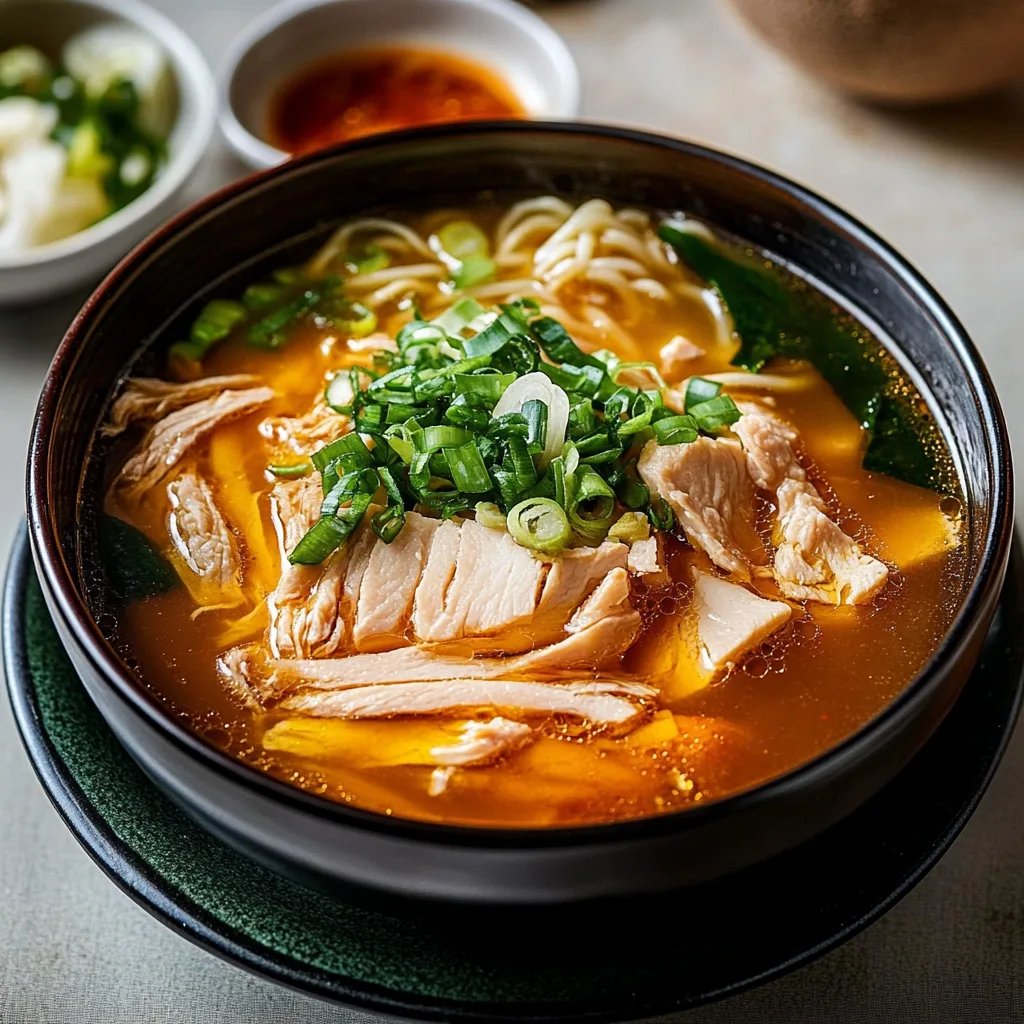
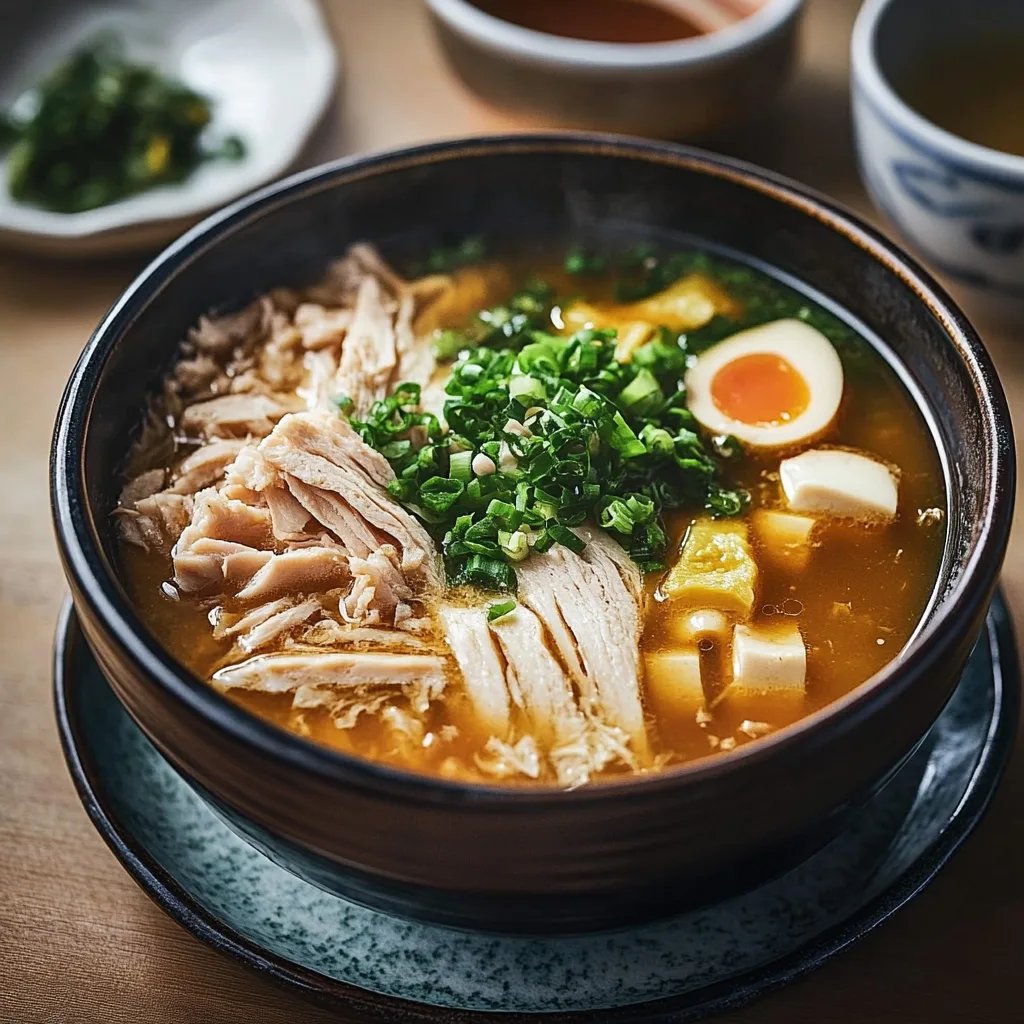
Warm up on chilly days with comforting Korean soups and stews that bring rich, savory flavors to your dining table. From traditional Kimchi Jjigae to hearty Sundubu Jjigae, these recipes are perfect for family gatherings or a cozy night in. Packed with nutritious ingredients and spices, each bowl offers a delicious way to nourish your body and soul.
The Rich Tradition of Korean Soups and Stews
Korean cuisine is celebrated for its bold flavors and hearty elements, with soups and stews playing a central role in daily meals. These dishes are not only delicious but also deeply embedded in Korean culture, often serving as a comforting remedy during colder months. Each soup and stew has its unique character, showcasing a variety of ingredients that reflect seasonal availability and regional tastes.
From the spicy and tangy Kimchi Jjigae to the silky texture of Sundubu Jjigae, every dish tells a story. Traditionally shared among family and friends, these meals promote togetherness and warmth. Ingredients such as tofu, vegetables, and meats are simmered to perfection, combining to create a symphony of flavors that is both satisfying and nourishing.
Health Benefits of Korean Soups
Korean soups and stews are not just comforting; they are also packed with health benefits. Ingredients like kimchi are rich in probiotics, contributing to gut health and boosting the immune system. The variety of vegetables used in these dishes provides essential vitamins and minerals, making them an excellent choice for a balanced diet.
Additionally, the use of spices such as garlic and ginger adds not only flavor but also anti-inflammatory properties. Enjoying a bowl of these nutritious soups is a great way to warm up while also nourishing your body. Plus, with so many options available, there’s a soup or stew for every palate and dietary preference.
Perfect Pairings for Your Soups
Korean soups and stews shine brightest when paired with complementary side dishes. Popular accompaniments include steamed rice, kimchi, and a variety of banchan—small side dishes such as pickled radishes and seasoned greens. These side dishes enhance the overall meal, providing contrasting flavors and textures that make each bite delightful.
Additionally, for those looking to spice up their meals, a small dish of gochujang (Korean chili paste) or sesame oil can be offered on the side. These condiments not only elevate the flavors of the soup but also allow diners to customize their experience according to their spice tolerance and preference.
Ingredients
Ingredients
Instructions
Steps
Storage Tips for Leftovers
Korean soups and stews are ideal for meal prep, as they often taste even better the next day after the flavors have melded together. Store leftover soup in an airtight container in the refrigerator for up to three days. Reheat on the stovetop or in a microwave, adding a splash of water if necessary to refresh the consistency.
For longer storage, consider freezing portions of your soup. Place the cooled soup in freezer-safe containers, leaving space at the top for expansion. When you're ready to enjoy it again, thaw overnight in the fridge before reheating. This makes it convenient to enjoy a cozy meal anytime without the extra prep.
Variations to Try
Korean soups and stews are wonderfully versatile, allowing for a wide array of variations to suit your taste and dietary needs. For example, you can make a vegetarian version of Kimchi Jjigae by omitting meat and using vegetable broth. Adding more tofu and mushrooms can provide additional texture and flavor, making it just as satisfying.
If you're a fan of seafood, consider making a Sundubu Jjigae enriched with shrimp, clams, or squid. These additions bring a fresh component that complements the soft tofu beautifully. Feel free to experiment with different vegetables as well, such as zucchini or spinach, to keep things exciting and seasonal.
Questions About Recipes
→
Cozy Korean Soups and Stews
Created by: Mia Jefferson
Recipe Type: Hearty Kitchen
What You'll Need
Ingredients
How-To Steps
Nutritional Breakdown (Per Serving)
- :