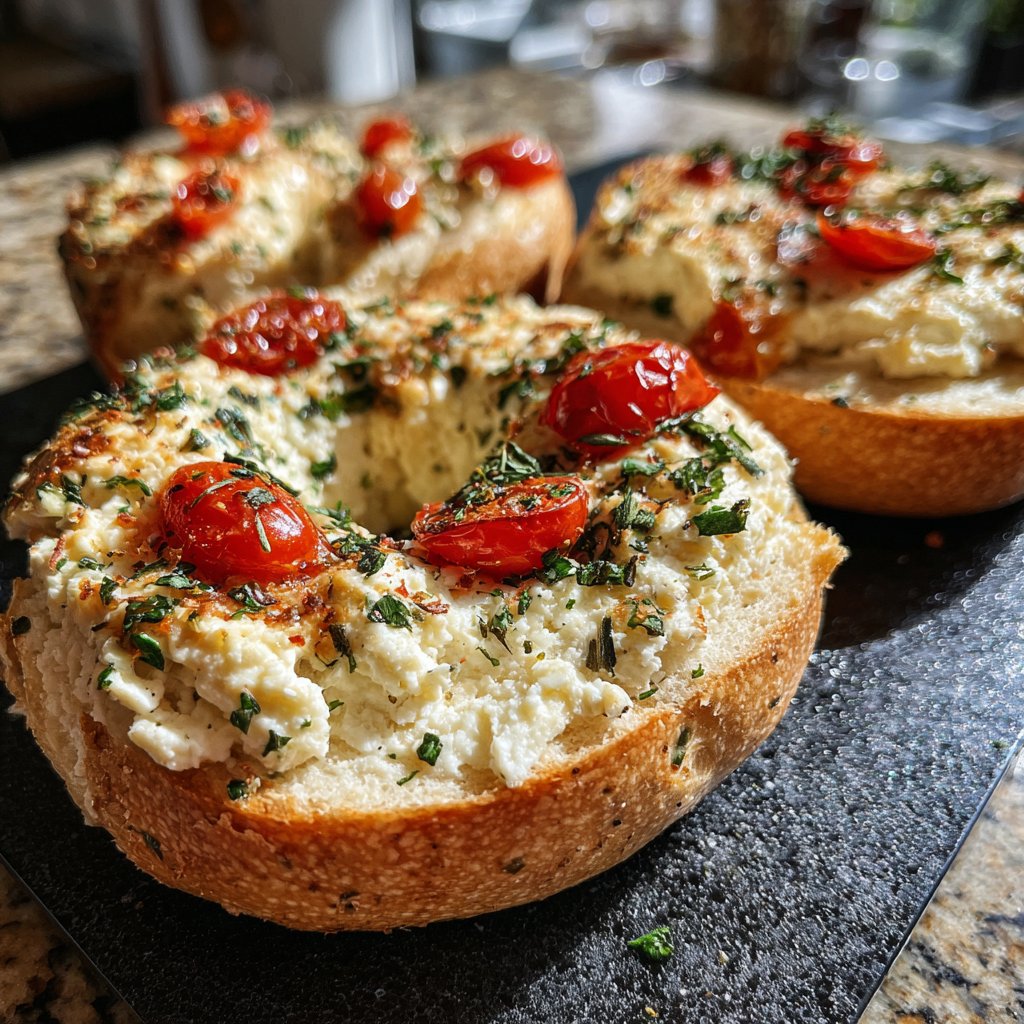
High Protein Cottage Cheese Bagels
Highlighted under: Vitality Plates
I absolutely love making my High Protein Cottage Cheese Bagels! They are not only easy to prepare but also incredibly satisfying, providing a perfect balance of nutrition and taste. The best part is that they come together quickly, and you can customize them with your favorite toppings. Whether I’m enjoying them for breakfast or as a snack, these bagels are a staple in my kitchen. Plus, the added protein from cottage cheese makes them a healthier alternative to traditional bagels.
When I first tried making High Protein Cottage Cheese Bagels, I was pleasantly surprised by how much flavor they packed. After experimenting with ingredient ratios, I found that the combination of cottage cheese and self-rising flour struck the perfect balance for a dough that’s both pliable and delicious. The dough doesn’t need too much kneading, which keeps the bagels soft and airy.
What makes these bagels unique is the nutritional punch they offer. Not only do they keep me full longer, but the high protein content helps fuel my busy days. I even enjoy adding herbs and spices to the dough for extra flavor – it’s a simple way to elevate your breakfast experience!
Why You'll Love These Bagels
- Packed with protein for sustained energy
- Fluffy texture that rivals traditional bagels
- Quick and easy to make from scratch
Perfecting the Bagel Shape
Achieving the classic bagel shape is crucial for both presentation and texture. After dividing the dough into portions, roll each piece into a smooth ball without overworking it to maintain fluffiness. When making the hole, you can use your fingers or the end of a wooden spoon. Just be careful not to pierce all the way through. Aim for a hole that is about 1-1.5 inches in diameter, as the bagels will puff up during boiling and baking.
As you shape the bagels, keep an eye on the dough’s consistency. If it starts to feel too tacky, a light dusting of flour on your work surface can help. Working with slightly floured hands can also prevent sticking. Remember that each bagel should be roughly uniform in size to ensure even cooking during boiling and baking.
The Boiling Step Explained
Boiling the bagels is a step that significantly enhances their chewy texture. When you drop the shaped bagels into boiling water, aim for a rolling boil and let them cook for about 2 minutes on each side. This process gelatinizes the outer layer of the dough, leading to that characteristic exterior of a traditional bagel. Keeping the water at a constant boil is essential; if it drops too low, the bagels won’t achieve that ideal chewiness.
If you find that the bagels are floating too high in the water, gently press down with a slotted spoon to keep them submerged—this ensures they cook evenly. If you want to experiment with flavors, consider adding a tablespoon of baking soda to the boiling water. This can enhance the crust color, resulting in a deeper flavor.
Storing and Serving Suggestions
These high-protein cottage cheese bagels are best enjoyed fresh but can be stored for later use. After baking, allow them to cool completely on a wire rack. Once cooled, place them in an airtight container at room temperature for up to 2 days. Alternatively, you can freeze them by individually wrapping each bagel in plastic wrap and then placing them in a freezer bag. They can last up to 3 months in the freezer.
When you’re ready to enjoy a frozen bagel, simply remove it from the freezer and let it thaw at room temperature for about 30 minutes, or pop it directly into the toaster. They are perfect topped with cream cheese, avocado, or smoked salmon for breakfast or a quick snack. You can also slice them and use them as a base for mini pizzas or sandwiches!
Ingredients for High Protein Cottage Cheese Bagels
Bagel Ingredients
- 1 cup cottage cheese
- 1 ½ cups self-rising flour
- 1 egg
- 1 tablespoon honey
- 1 teaspoon garlic powder
- Salt, to taste
Instructions
Prepare the Dough
In a mixing bowl, combine the cottage cheese, self-rising flour, egg, honey, garlic powder, and salt. Mix until a soft dough forms. If the dough is too sticky, add a bit more flour until it reaches a workable consistency.
Shape the Bagels
Divide the dough into four equal portions. Roll each portion into a ball and then make a hole in the center to shape it like a bagel.
Boil the Bagels
In a pot of boiling water, carefully drop the bagels in and boil for about 2 minutes on each side. This step helps create that chewy exterior characteristic of bagels.
Bake the Bagels
Preheat your oven to 375°F (190°C). Place the boiled bagels on a baking sheet lined with parchment paper. Bake for 20 minutes, or until golden brown.

Pro Tips
- For added flavor, consider topping the bagels with sesame seeds or everything seasoning before baking. You can also experiment with different cheese types for a unique twist!
Customizing Your Bagels
One of the joys of making these bagels is the endless customization options available. You can easily add mix-ins such as shredded cheese, herbs, or spices into the dough before shaping. For a savory twist, consider adding chopped scallions or sun-dried tomatoes. If you prefer sweet bagels, a touch of cinnamon or raisins can be delightful additions. Just be cautious with moisture-rich ingredients, as they can affect the dough's consistency and require minor adjustments to the flour amount.
For toppings, after boiling the bagels, you can sprinkle everything bagel seasoning, sesame seeds, or poppy seeds before baking. If you enjoy a bit of sweetness, brushing the top with an egg wash before sprinkling coarse sugar can give a lovely glisten to your bagels.
Troubleshooting Common Issues
If your bagels come out flat, it's often a sign that the dough wasn't kneaded enough or that it may have rested for too long before boiling. Be diligent in mixing until the dough is smooth and elastic. Another issue can arise if the bagels don't hold their shape while boiling. This usually happens if the dough is too wet; simply add a bit more flour to the dough during mixing to help with structure.
Crumbly or dry bagels can be another concern; ensure you're measuring the cottage cheese accurately, as too little moisture can lead to dryness. On the other hand, if bagels are overly dense, it might have been due to overworking the dough or not enough flour added during shaping. Both issues can be rectified by being mindful of dough handling techniques.
Scaling the Recipe
This recipe is easily adjustable if you're aiming to make more bagels for a gathering or meal prep. To double the recipe, simply multiply the ingredient amounts by two, keeping the same ratios. Ensure that you're using a large enough mixing bowl to handle the larger quantity of dough, as additional ingredients can make it cumbersome to mix thoroughly.
When scaling down, it’s worth noting that the boiling time may be slightly reduced for fewer bagels; always keep an eye on them in the pot to avoid overcooking. With larger batches, consider batch baking by using multiple trays in the oven. Just remember to rotate them halfway through the baking process for even cooking.
Questions About Recipes
→ Can I use regular flour instead of self-rising flour?
Yes, but you'll need to add baking powder and salt to the regular flour to achieve similar results.
→ How should I store leftover bagels?
Store them in an airtight container at room temperature for up to two days, or freeze for longer storage.
→ Can I add toppings to the bagels before baking?
Absolutely! Feel free to sprinkle your favorite toppings on the bagels before they go into the oven.
→ What is the protein content in these bagels?
Each bagel contains approximately 12 grams of protein, making them a great option for a high-protein diet.
High Protein Cottage Cheese Bagels
Created by: Mia Jefferson
Recipe Type: Vitality Plates
Skill Level: Intermediate
Final Quantity: 4 bagels
What You'll Need
Bagel Ingredients
- 1 cup cottage cheese
- 1 ½ cups self-rising flour
- 1 egg
- 1 tablespoon honey
- 1 teaspoon garlic powder
- Salt, to taste
How-To Steps
In a mixing bowl, combine the cottage cheese, self-rising flour, egg, honey, garlic powder, and salt. Mix until a soft dough forms. If the dough is too sticky, add a bit more flour until it reaches a workable consistency.
Divide the dough into four equal portions. Roll each portion into a ball and then make a hole in the center to shape it like a bagel.
In a pot of boiling water, carefully drop the bagels in and boil for about 2 minutes on each side. This step helps create that chewy exterior characteristic of bagels.
Preheat your oven to 375°F (190°C). Place the boiled bagels on a baking sheet lined with parchment paper. Bake for 20 minutes, or until golden brown.
Extra Tips
- For added flavor, consider topping the bagels with sesame seeds or everything seasoning before baking. You can also experiment with different cheese types for a unique twist!
Nutritional Breakdown (Per Serving)
- Calories: 250 kcal
- Total Fat: 8g
- Saturated Fat: 3g
- Cholesterol: 80mg
- Sodium: 300mg
- Total Carbohydrates: 36g
- Dietary Fiber: 1g
- Sugars: 2g
- Protein: 12g